
Plate Lookup
PlateLookup.appAuto & Vehicles
4.4175.00 Reviews
- Version
- 6.3.0
- Installs
- 50.00K
- Age Rating
- Everyone
Screenshots
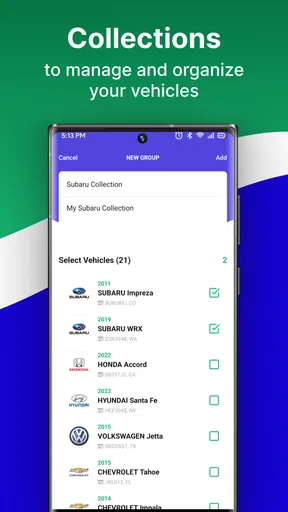
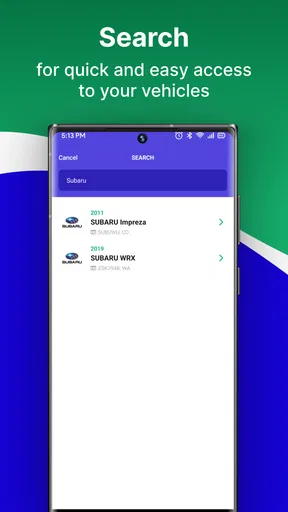
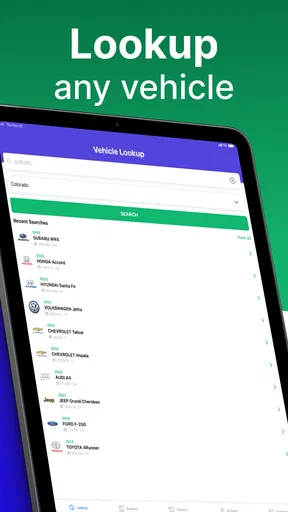
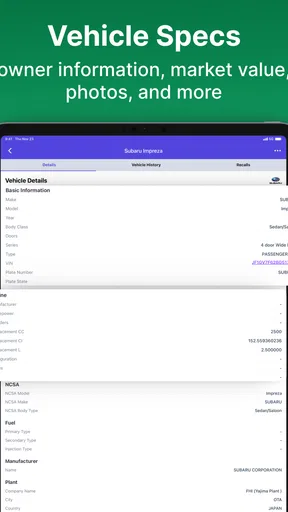
Our Review of Plate Lookup
 Analysis by Appyee
I often think about vehicle lookups as a household task rather than a solo one: one person spots a used car, another wants to check the details, and someone else may be the one who actually goes to see it. Plate Lookup can fit into that kind of shared decision-making, but I would treat it as a research aid, not as a substitute for a proper inspection or a conversation with the seller. Its core appeal is simple: use a plate or VIN to look for vehicle history and owner information, then decide what questions to ask next.
When a lookup becomes a shared household task
Imagine that your household is considering a used car advertised nearby. One person finds the listing, another checks the registration details, and a third compares the results with the seller’s description. A plate lookup can make the early screening stage easier, especially when you want to identify possible mismatches before spending time travelling to see the vehicle. I would keep the result in context: it is a lead to investigate, not proof that a car is in good or bad condition.
This sort of check is useful even when nobody in the household is a car enthusiast. A parent helping a young adult compare options, partners sharing a purchase decision, or a relative helping an older family member can all use the same basic workflow: verify the vehicle identity, note any details worth asking about, and then arrange an in-person inspection if the car still seems promising. The practical benefit is better preparation for a conversation, not a shortcut around one.
Set clear boundaries before sharing a device
If several people use the same phone or tablet, agree on who is entering a plate or VIN and why. A lookup can involve information about a vehicle and its owner, so curiosity alone is not a good reason to investigate a stranger’s car. I would reserve searches for legitimate tasks such as evaluating a vehicle for purchase or checking details relevant to a household vehicle, and avoid passing personal information around casually.
There is also a simple account-boundary question: if one person registers or signs in, other people using that device should understand whose account is active and whether a search could involve a charge. The app is free to install, but it also offers in-app purchases, so I would check the purchase screen carefully before choosing a paid report. On a shared device, that small pause can prevent an unexpected expense and make it clear who is responsible for the decision.
Coordinate checks without treating one result as a verdict
For a joint car search, I find it helpful to have one person enter the plate or VIN while another compares the returned vehicle details with the advertisement. If something does not line up, write down the exact question rather than jumping to a conclusion. For example, ask the seller to explain a discrepancy or provide supporting paperwork, then decide whether an independent inspection is worthwhile. This is a more useful workflow than sending a screenshot around without context.
Before paying for a detailed report, agree on what the household needs to learn. If the immediate question is simply whether the lookup identifies the same make and model as the listing, a basic check may be enough to decide whether to continue. If the group needs a fuller picture before making a serious offer, compare the available report details with the seller’s documents and an independent vehicle inspection. The app can help organize questions, but it should not be the only source behind a major purchase.
Age, trust, and a sensible role for parents
The app is rated for Everyone, and I can see why a straightforward vehicle search may be approachable for a broad audience. Still, an age rating does not remove the need for guidance about responsible use. If a teenager is learning to research cars, I would show them how to use a plate or VIN for a concrete purpose, how to interpret a result cautiously, and why owner information should not become a way to track or confront someone.
For a family considering a first car, the strongest use is collaborative learning. Let the younger driver compare a listing with the lookup, then have them explain what they would ask the seller and what they would verify in person. That teaches useful buying habits without implying that a phone search can certify safety. If the concern is a person’s driving, behaviour, or whereabouts, this is not the right tool; a vehicle lookup is not a substitute for direct communication or appropriate safety support.
Getting Started with Plate Lookup
So, I downloaded Plate Lookup from the app store, and the first thing that struck me was its intuitive design. No clutter, just straightforward options. After installing, I quickly registered my account, which was a breeze. The app doesn't bombard you with unnecessary questions or ask for tons of personal info—big plus in my book!
Features Galore
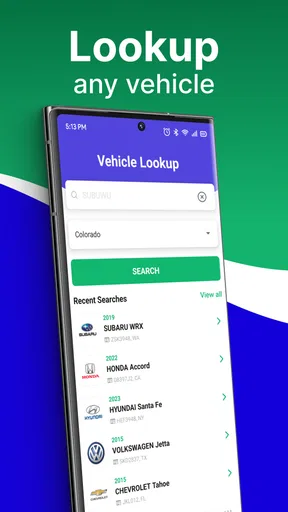
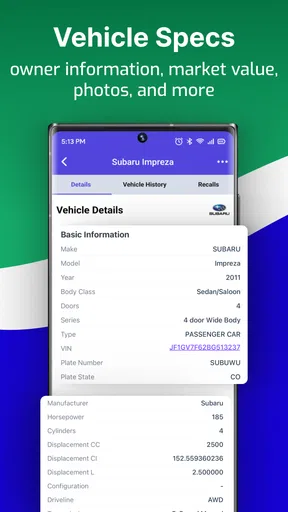
Now, let’s dive into what this app offers. The main feature, as you might guess, is the ability to look up vehicle details using a license plate number. You simply enter the plate, hit search, and voilà! The app sifts through its vast database and presents you with a bunch of details like the make, model, year, and sometimes even the vehicle's history.
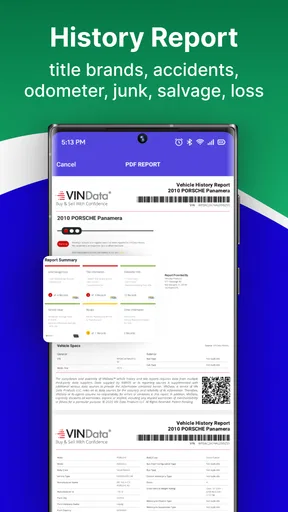
One feature I found particularly useful is the vehicle history report. It's super handy when you're in the market for a used car. You get insights into any past accidents, ownership changes, and other critical details that might influence your buying decision.
Design and Usability
The interface is clean and user-friendly. You don’t need to be a tech wizard to navigate through the app, which is fantastic. The search function is front and center, and results load pretty swiftly. Plus, they’ve got a neat little map feature that shows you where the vehicle has been registered. Pretty cool, right?
Moreover, the app supports multiple languages, which is a thoughtful touch for non-English speakers. It ensures that everyone gets the same seamless experience, regardless of their native tongue.
Security and Privacy
We all know how crucial data security is these days. Plate Lookup takes this seriously. They use encrypted connections, ensuring your searches and personal data are secure. I did a bit of digging, and their privacy policy seems solid, focusing on user confidentiality.
What a lookup can—and cannot—settle
I would use the plate search as a first filter, then treat the VIN as a useful cross-check when the seller provides it. A plate can help you begin with the vehicle you have seen in an advert or in person; a VIN gives you another identifier to compare against paperwork and the car itself. If the two identifiers point to different details, pause and ask for an explanation before going any further. The point is not to assume wrongdoing, but to avoid building a decision on a vehicle identity you have not checked carefully.
Vehicle history information also has limits as a decision tool. A report can surface details that deserve follow-up, but it cannot show you how the car drives today, whether a repair was done well, or whether a warning light appears under load. I would still look over the vehicle, arrange a qualified inspection when the purchase justifies it, and compare the paperwork with what the seller says. That combination is more dependable than expecting any lookup app to answer every mechanical question.
How it compares with the usual alternatives
The common alternative is to search the web manually, contact a seller for documents, or use a dedicated vehicle-history service. Manual searching can be useful when you already know exactly which public records or local sources matter, but it often means switching between pages and deciding which details apply to the car in front of you. Plate Lookup’s advantage is the focused mobile workflow: enter an identifier and review the vehicle-related results in one place.
A specialist inspection or an official record check can be a better choice when you need an authoritative answer for a legal, mechanical, or high-value decision. Likewise, if you are comparing vehicles across countries, confirm that the lookup is relevant to the vehicle’s registration context before relying on it; coverage can differ between markets. I would choose this app for quick screening and question-building, then use the appropriate professional or official route when the stakes are higher.
Why You Might Love It
If you’re someone who frequently buys and sells cars, or if you just love knowing more about vehicles, this app is a gem. It saves you the hassle of sifting through multiple websites for information. Plus, it's pretty fun to use, especially if you’re a car enthusiast.
Another audience that might find this app beneficial is parents. If you're curious about the cars your teen is interested in or driving around with, this app gives you a sneak peek into those vehicles.
Who should use it, and who should pass
Plate Lookup makes the most sense for someone who wants a quick starting point while shopping for a used car, helping a family member assess a listing, or checking a vehicle using its plate or VIN. The developer is PlateLookup.app, and the app sits in the auto-and-vehicles category. It has a 4.6 average from around 986 ratings, with more than 50,000 installs, which suggests that vehicle lookups are a well-established use for it rather than an obscure experiment.
I would skip it if you need a guaranteed, complete account of a vehicle before making a legal or financial decision, or if your real goal is to investigate a person rather than a car. It is also not the best fit if you only need a mechanic’s assessment: a report cannot replace hands-on expertise. For someone who rarely researches vehicles and has no current purchase or ownership question, the paid report options may be more than they need.
Room for Improvement
While the app is fantastic, there's always room for a little polish. For one, some users might find the premium features a bit pricey. You get basic information for free, but for detailed reports, you’ve got to shell out a few bucks. It’s not a dealbreaker, but something to consider.
Also, expanding the database to include more international vehicles would be a great addition. Currently, it’s pretty comprehensive for North American cars, but those with interest in European or Asian models might find it somewhat limited.
Practical details before you install
The app is free to download, while optional in-app purchases range from $7.99 to $49.99 per item. I would not buy a report just because it is available: first decide what question you need answered, check whether the preview or basic information already addresses it, and make sure the vehicle is still a serious candidate. That approach is especially useful when several people are researching the same car and one person is managing the household budget.
It is rated for Everyone, was released on May 7, 2021, and its current version is 6.0.0. It requires Android 8.0 or later. Those details make it worth checking compatibility on an older Android device before planning a shared search. The most important practical question, though, is whether the app’s returned information is relevant to the vehicle and region you are checking; use the result as a starting point and verify important details with the seller and appropriate records.
Final Thoughts
To wrap it up, Plate Lookup is a handy tool that does exactly what it promises. It’s not just for car dealers or buyers; anyone with a keen interest in vehicles will find it useful. The app is easy to use, secure, and offers a wealth of information at your fingertips.
If you haven’t tried it yet, it’s worth a download. Dive into the world of cars like never before and satisfy that curiosity with just a few taps. Happy car hunting!
My household verdict
For a household that is actively comparing a car, I would keep Plate Lookup in the toolkit and agree on a simple routine: identify the vehicle, compare the result with the listing, write down questions, and verify anything important through the seller, documents, or an inspection. That prevents duplicated searches and helps everyone distinguish a useful clue from a final answer. On a shared device, keep account access and any purchase decision with the person who has agreed to manage them.
Overall, I see it as a convenient first step rather than a complete vehicle-buying system. Its plate and VIN search can make an early check less scattered, while the history and owner-related information may help a buyer know what to ask next. I would recommend it to people with a specific, legitimate vehicle question; I would not rely on it alone for a major purchase or use it to satisfy casual curiosity about someone else. Used that way, it can make a household decision more informed without pretending to make the decision for you.
Verdict
Strengths of Plate Lookup
- Fast and accurate license plate searches.
- User-friendly interface and easy navigation.
- Comprehensive vehicle history reports.
- Supports multiple regions and states.
- Includes VIN decoder for detailed info.
Limitations of Plate Lookup
- Limited free searches per day.
- In-app purchases can be pricey.
- Requires internet for full functionality.
- Occasional ads may interrupt usage.
- Some features locked behind paywall.
Similar Picks in This Category
View All
Android Auto
Google LLC4.1

maxim — order a taxi & food
PT. SITO4.7

Штрафы ГИБДД: проверка с фото
Pays LLC – Штрафы ГИБДД4.7

Номерограм – проверка авто
Авто Ассист4.8

Дром Авто
Дром4.9

Frequently Asked Questions
What is Plate Lookup and how does it work?
Plate Lookup is an app designed to provide detailed information about vehicles using their license plate numbers. By entering a plate number, users can access data such as vehicle history, owner details, and registration status. The app aggregates information from various databases to ensure accuracy and reliability.
Is Plate Lookup free to use or are there any hidden costs?
Plate Lookup offers a free version with basic features, allowing users to perform limited searches. However, for more comprehensive data and additional features, there are subscription plans available. These plans provide detailed reports and unlimited searches, ensuring users get the most out of the app.
How accurate is the information provided by Plate Lookup?
The accuracy of Plate Lookup relies on the databases it sources from, which are regularly updated to ensure current information. While it strives for precision, occasional discrepancies may occur due to data entry errors or outdated records. Users are encouraged to verify critical information independently.
Can I use Plate Lookup for any vehicle worldwide?
Plate Lookup primarily focuses on vehicles registered within the United States. While some international data may be available, its coverage and accuracy are limited outside the U.S. For optimal results, users should use the app for vehicles registered domestically.
Is my personal information safe when using Plate Lookup?
Plate Lookup prioritizes user privacy and data security. The app does not store sensitive personal information and uses encryption to protect data transmissions. Users can perform searches without needing to create an account, ensuring their anonymity and safety while using the app.
